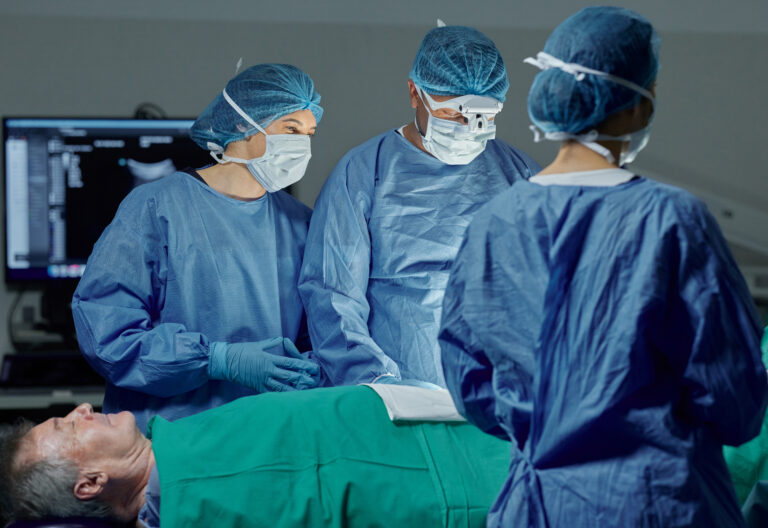
Working inside an operating room requires precision, coordination, and complete focus. Every procedure depends on a team of highly trained professionals who each play a critical role in patient care. Among them is the surgical technologist, often called a surgical tech. While surgeons and nurses are more widely recognized, surgical techs are the professionals who ensure that every instrument, supply, and sterile surface is exactly where it needs to be before, during, and after surgery.
A surgical tech’s day starts early and moves quickly. From preparing operating rooms to assisting during procedures and managing sterilization afterward, the role is both physically demanding and mentally engaging. Understanding a day in the life of a surgical tech helps reveal why surgical technologists are such an essential part of modern healthcare.
Starting the Day Before Sunrise
For many surgical techs, the day begins long before most people start their morning routines. Early arrival is necessary because operating rooms must be prepared well in advance of the first patient.
The morning often starts quietly at home with simple routines. A quick stretch helps wake up the body and prepare for the long hours spent standing in the operating room. Many surgical techs develop habits that support their physical endurance, such as light exercise in the morning. Since the job requires standing for extended periods and moving quickly when needed, maintaining physical health becomes part of the professional routine.
Breakfast is usually quick and practical. There is rarely time for elaborate meals during busy workdays, so something simple that provides lasting energy is often enough.
Before leaving for work, most surgical techs pack a small bag with essentials such as lunch, snacks, and personal items. The majority of equipment needed for the day will already be waiting at the medical facility.
The Morning Commute and Mental Preparation
The drive to work offers a moment to mentally prepare for the day ahead. Surgical techs often begin thinking about the procedures scheduled for that day, the surgeons they will be working with, and the supplies needed for each operation.
Every surgery requires careful planning. Different surgeons prefer specific instruments, layouts, and techniques. Reviewing the surgical schedule helps the tech anticipate what will be needed and ensures that nothing is overlooked once the day begins.
For many professionals in this field, this quiet preparation time becomes an important mental warm up before stepping into the fast paced environment of the operating room.
Arriving at the Medical Facility
Once arriving at the clinic or hospital, the first stop is usually the break room. Personal items and lunch are placed in the refrigerator before heading toward the operating area.
Before entering the operating room environment, proper attire is required. Surgical techs wear sterile scrubs and cover their hair with a surgical cap or bouffant cap. These precautions help maintain a sterile environment and prevent contamination during procedures.
Even small details matter in this setting. Hair must be fully tucked away and clothing must meet strict cleanliness standards.
With these preparations complete, the surgical tech is ready to begin the day.
Reviewing the Surgical Schedule
One of the first responsibilities each morning is reviewing the surgical schedule. This document lists the procedures planned for the day, the surgeons performing them, and the teams assigned to each case.
Checking the schedule allows surgical techs to confirm:
- What procedures will be performed
- When each surgery is scheduled
- Which surgeons they will assist
- What instruments and supplies are required
This step is essential because each procedure requires a different setup. Even surgeries that seem similar may require different tools depending on the surgeon’s preferences.

Preparing the Operating Room
Before the first patient arrives, the operating room must be fully prepared.
Often, much of the setup is completed the day before. However, surgical techs still perform a careful walkthrough of the room to ensure that everything is exactly where it should be.
Every instrument must be accounted for. Supplies must be organized. Equipment must be functioning properly. If something is missing or misplaced, it must be corrected before surgery begins.
Operating rooms run on efficiency and accuracy, so preparation plays a major role in preventing delays during procedures.
Pulling Instruments for Surgery
One of the most important tasks before surgery is known as “pulling cases.”
This involves reviewing the surgeon’s preference card, which lists the exact instruments and supplies required for a specific procedure. Each surgeon may have unique preferences regarding which tools are used and how they are arranged.
Using the preference card as a guide, the surgical tech gathers sterilized instrument trays and necessary supplies. These items are then brought into the operating room and organized for the upcoming procedure.
Learning surgeon preferences is an important part of becoming an effective surgical tech. The better the preparation, the smoother the procedure will be.
Creating a Sterile Setup
Sterility is one of the most critical principles in surgery. Even a small break in sterile technique can lead to contamination and infection.
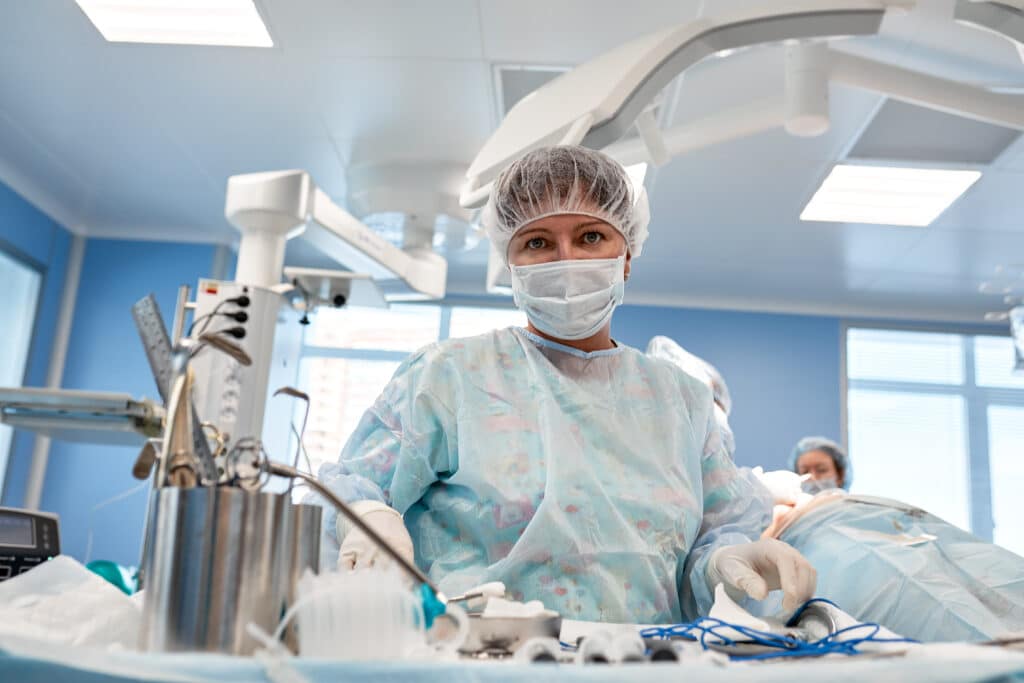
To prepare the instrument table, surgical techs use sterile packs containing drapes, towels, and other supplies. These packs are carefully opened using sterile technique to avoid touching the interior contents.
Once opened, sterile drapes are used to cover the instrument tables. Instruments are then arranged in a precise layout that allows quick and easy access during surgery.
Each instrument has a designated place. Organization ensures that when a surgeon reaches for a tool during the procedure, it can be provided immediately without hesitation.
Setting Up the Instrument Table
When the setup is complete, the instrument table becomes the center of activity during surgery.
All instruments are arranged according to the sequence of the procedure. Items used early in the operation are placed where they can be easily reached, while others are positioned for later stages.
This level of organization is not accidental. It allows surgical techs to respond instantly when surgeons request tools.
A well arranged instrument table allows the entire surgical team to work efficiently and focus on the patient.
Assisting During Surgery
Once the patient enters the operating room and the procedure begins, the surgical tech remains at the instrument table throughout the operation.
Their primary responsibility is to pass instruments to the surgeon at the exact moment they are needed. However, the role goes far beyond simply handing over tools.
Surgical techs must anticipate the next step of the procedure. By watching the surgery closely, they can predict what instrument will be needed next and have it ready before the surgeon even asks.
This requires intense concentration and familiarity with the procedure. Over time, experienced surgical techs develop a natural rhythm with the surgical team.
During surgery, communication is often minimal. The entire team focuses on the procedure, relying on preparation and teamwork to keep everything running smoothly.
Post Surgery Cleanup and Room Turnover
After a surgery is completed, the work is far from finished.
The operating room must be reset quickly so that the next patient can be treated. This process is known as turnover.
All used instruments and supplies are removed from the room. Surfaces are cleaned and disinfected, and fresh sterile supplies are brought in for the next procedure.
Turnover must be both thorough and efficient. Hospitals and clinics often schedule multiple surgeries per day, so delays can affect the entire schedule.
Although patients rarely see this part of the process, it plays a crucial role in maintaining safety and efficiency.

Decontaminating Surgical Instruments
After cleanup, surgical instruments are taken to the decontamination area.
This room is where instruments are thoroughly cleaned before being sterilized and reused.
The cleaning process begins by soaking instruments in special solutions that loosen debris left behind after surgery. After soaking, instruments may be placed in an ultrasonic cleaner.
Ultrasonic cleaners use high frequency sound waves to remove particles from tiny crevices that cannot be reached by hand.
Following ultrasonic cleaning, each instrument is carefully scrubbed and inspected. Surgical techs check for cleanliness, damage, or wear. If anything appears damaged or compromised, the instrument is removed from service.
Patient safety depends on these careful inspections.
Drying and Reassembling Instrument Trays
Once cleaned, instruments must be completely dried before they are repackaged.
Moisture can interfere with sterilization processes, so drying is an important step that cannot be skipped.
After drying, instruments are placed back into trays in a precise order. Each tray must match the expected layout so that the next surgical team can quickly identify and access the instruments.
Attention to detail during this step ensures that future surgeries run smoothly.
Wrapping and Labeling Instruments
Instrument trays must be wrapped before sterilization.
The wrapping must be tight enough to protect the contents from contamination but loose enough to allow steam to penetrate during sterilization.
Achieving the correct balance requires practice and skill. New surgical techs often spend time perfecting this technique.
Once wrapped, trays are labeled with information that allows staff to track them through the sterilization process. This documentation ensures traceability and helps maintain strict safety standards.
Sterilizing Instruments with an Autoclave
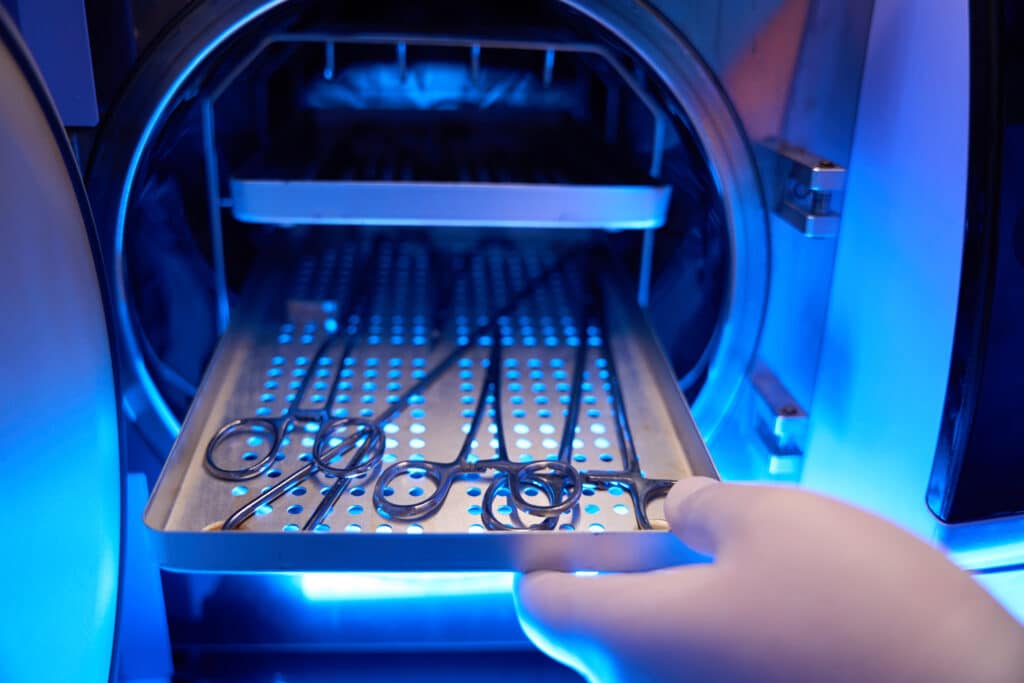
Sterilization is typically performed using an autoclave.
An autoclave uses pressurized steam at high temperatures to eliminate bacteria, viruses, and other microorganisms.
Instrument trays are carefully loaded into the machine following specific guidelines. The arrangement matters because steam must circulate properly around each item to ensure effective sterilization.
Different instruments require different settings for temperature, pressure, and cycle time. These settings are determined by established protocols that must be followed precisely.
Once the cycle is complete, indicators confirm that sterilization was successful.
Restocking and Supporting Clinic Operations
In smaller clinics, surgical techs often assist with additional tasks beyond operating room duties.
These tasks may include:
- Washing surgical linens and blankets
- Restocking medical supplies
- Organizing supply deliveries
- Preparing equipment for future procedures
While these responsibilities may seem minor, they help ensure that the clinic runs smoothly.
Healthcare environments rely heavily on teamwork, and surgical techs often play a central role in maintaining daily operations.
End of Day Preparation
Before leaving for the day, surgical techs perform a final walkthrough of the operating room.
Everything must be ready for the next day’s procedures. Instruments are stored, surfaces are clean, and equipment is positioned for the following morning.
Seeing the operating room fully prepared can be a satisfying end to a long shift. It represents the completion of a demanding day and ensures that the next team can begin their work without delays.

Why Many Surgical Techs Love the Job
Despite the early mornings and fast paced environment, many surgical technologists find the career deeply rewarding.
Each day offers the opportunity to contribute directly to patient care. Although surgical techs may not always interact directly with patients, their work plays a vital role in every successful operation.
The position also offers a unique combination of technical skill, teamwork, and real time problem solving.
For people who enjoy hands on work, attention to detail, and being part of a healthcare team, the surgical tech profession can be an excellent career path.
Training to Become a Surgical Tech
Many people are surprised to learn that becoming a surgical technologist can take less time than other healthcare careers.
Training programs focus on essential skills such as sterile technique, surgical procedures, anatomy, and instrument handling. After completing training, graduates often pursue certification to improve their employment opportunities.
Because healthcare facilities depend heavily on surgical teams, qualified surgical techs are in demand in hospitals, clinics, and surgical centers.
For individuals looking for a meaningful healthcare career without spending many years in school, surgical technology can be an appealing option.
Conclusion
A day in the life of a surgical tech is busy, structured, and focused on precision. From preparing operating rooms before sunrise to sterilizing instruments at the end of the day, every task supports patient safety and successful surgeries.
While much of their work happens behind the scenes, surgical technologists are essential members of the surgical team. Their attention to detail, ability to anticipate needs, and commitment to sterile practices allow surgeons and nurses to perform their roles effectively.
For those interested in healthcare, teamwork, and hands on medical work, becoming a surgical tech offers a challenging and rewarding career path.
Also Read: How to Get Your CRCST Certification in 2026
About:
Preppy was founded by higher education expert Grant Aldrich, whose work on college affordability and accessibility has been featured in Forbes, Bloomberg Businessweek, Business Insider, American Express, AOL, MSN, Thrive Global, Reader’s Digest, Inside Higher Ed, Evolllution, EducationDive, and nearly 100 radio shows and podcasts.
Time is money. Instead of programs that could take 2 years, Preppy provides you with education in a few months through immersive online training.
Healthcare, IT, Business, Trades…Preppy gets you ready for the trending careers in our modern economy.
Our team of higher education and startup veterans has created the best solution so everyone can obtain the emerging careers of today and tomorrow.
We look forward to speaking with you. You may also call 800-729-1317.