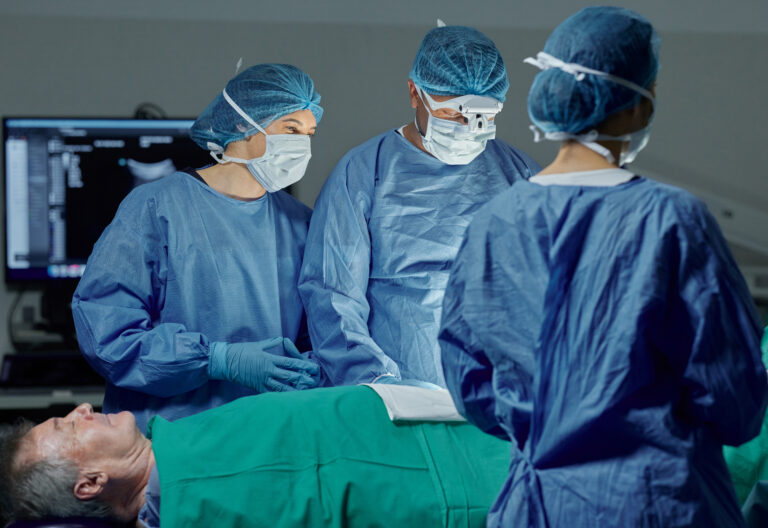
An operating room is one of the most fast-paced and precise environments in healthcare. While surgeons often get the spotlight, the reality is that surgery depends on a coordinated team working seamlessly together. One of the most essential members of that team is the surgical technologist. These professionals help prepare the operating room, maintain sterility, manage instruments, and support the surgical team before, during, and after procedures.
Understanding what they actually do can help you see why this role is so important in patient safety and surgical success. The scope of Surgical technologist duties goes far beyond simply passing tools. It involves anticipation, organization, infection control, and constant attention to detail in a high-pressure setting.
Surgical technologist duties in the operating room
The core Surgical technologist duties begin long before a patient enters the operating room and continue until the final cleanup after surgery is complete. Surgical technologists are involved in three major phases of care: pre-operative preparation, intra-operative assistance, and post-operative breakdown.
Before surgery, they prepare the room and ensure every instrument is ready. During surgery, they assist the surgeon directly by maintaining the sterile environment and passing instruments. After surgery, they help reset the room for the next procedure. These Surgical technologist duties are essential for keeping operating rooms efficient, safe, and ready for continuous use throughout the day.
Preparing the operating room before surgery
One of the most important Surgical technologist duties is preparing the operating room before the patient arrives. This includes setting up surgical instruments, checking equipment, and organizing supplies based on the specific procedure being performed.
Every surgery requires a different setup. A cesarean section, for example, uses very different tools than a knee replacement or cardiac procedure. The surgical technologist ensures that all necessary trays are available and that nothing is missing or malfunctioning. This preparation prevents delays once the surgery begins and helps the entire team work without interruptions.
During this stage, the surgical technologist also arranges sterile supplies in an organized and efficient way. The goal is to create a smooth workflow so that everything needed during surgery is easy to access. Without these Surgical technologist duties, operating rooms would be far more chaotic and prone to delays.
Scrubbing in and preparing for sterile work
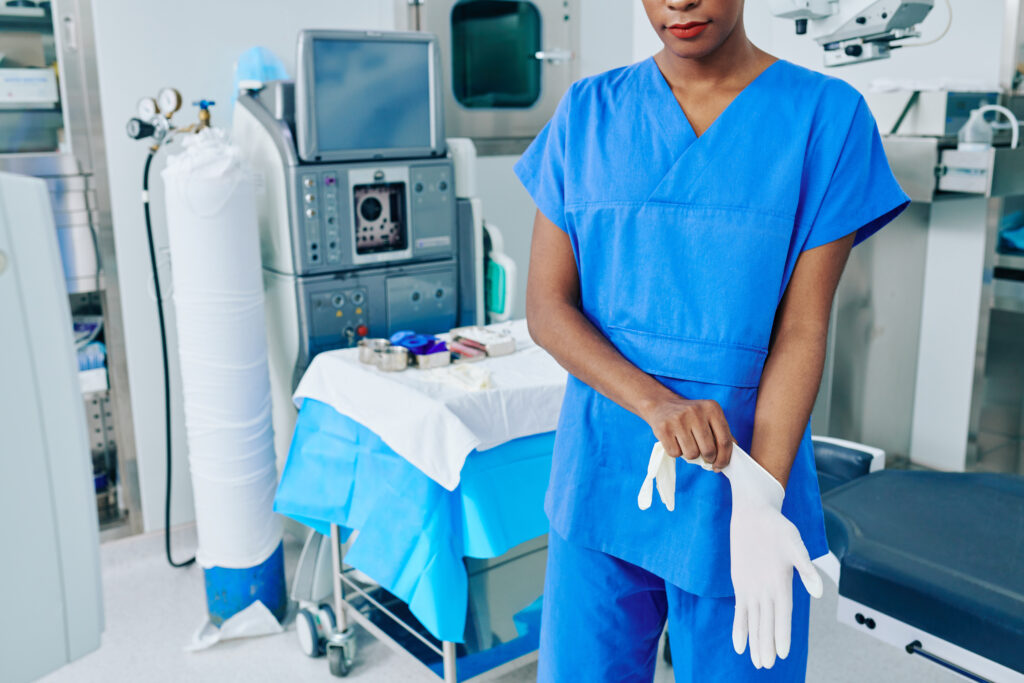
Another essential part of Surgical technologist duties involves scrubbing in before surgery. This process requires a detailed surgical hand and arm cleaning using antiseptic techniques designed to eliminate harmful microorganisms.
After scrubbing, the surgical technologist dons sterile gowns and gloves in a precise and controlled manner. This step is critical because it establishes a sterile barrier between the surgical team and the patient. Any break in sterility can increase the risk of infection, making this one of the most serious Surgical technologist duties in the operating room.
Once scrubbed in, the surgical technologist is allowed to work directly within the sterile field, handling instruments and assisting the surgeon while maintaining strict infection control standards.
Maintaining the sterile field during surgery
Protecting the sterile field is one of the most critical Surgical technologist duties during an operation. The sterile field includes the patient, the operating table, surgical instruments, and any surfaces that must remain free of contamination.
The surgical technologist helps establish this sterile zone using sterile drapes and carefully prepared materials. Once surgery begins, they continuously monitor the field to ensure it remains uncontaminated.
If anything non-sterile touches the field, or if there is any breach in sterile technique, the surgical technologist must act immediately to correct the issue. This vigilance is necessary because even minor contamination can lead to serious postoperative infections. These Surgical technologist duties directly protect patient safety in real time.
Managing surgical instruments and supplies
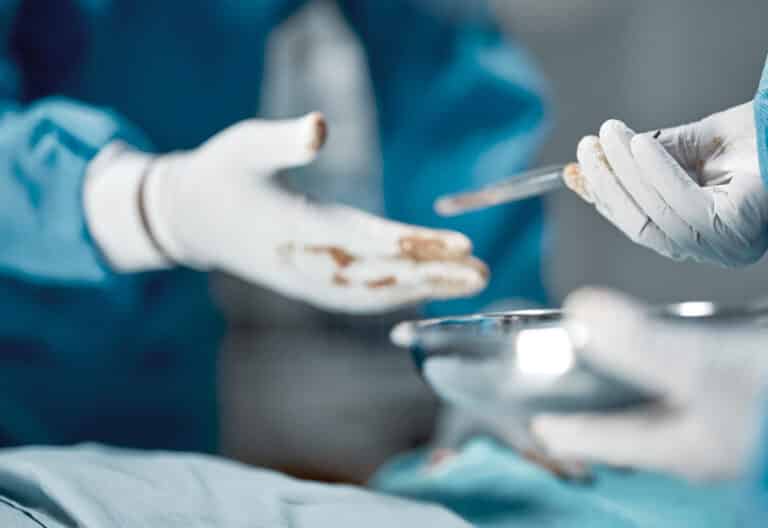
Instrument management is another major area of Surgical technologist duties. Surgical technologists organize instruments on sterile tables such as the back table and Mayo stand, ensuring that everything is arranged logically and efficiently.
The back table holds the majority of surgical instruments and supplies, while the Mayo stand keeps the most frequently used tools within immediate reach of the surgeon. This organization allows the surgical team to work quickly and without hesitation.
During surgery, the surgical technologist must know every instrument by name, function, and placement. They anticipate what the surgeon will need next and prepare it in advance. This level of familiarity and precision is what makes these Surgical technologist duties so important in high-speed surgical environments.
Passing instruments and anticipating the surgeon’s needs
One of the most recognized Surgical technologist duties is passing instruments to the surgeon during procedures. However, this task is far more complex than simply handing over tools.
A skilled surgical technologist follows the flow of the surgery and understands what stage the procedure is in at all times. This allows them to anticipate what instrument will be needed before the surgeon even asks for it.
Over time, surgical technologists become familiar with different procedures and individual surgeon preferences. This experience allows them to work more intuitively and efficiently. Strong anticipation skills are what elevate basic assistance into advanced Surgical technologist duties that significantly improve surgical flow.
Assisting with surgical counts
Another critical responsibility included in Surgical technologist duties is performing surgical counts. This process involves tracking all instruments, sponges, needles, and other surgical items used during a procedure.
Counts are performed before surgery begins, during the procedure, and again before closure. This ensures that nothing is accidentally left inside the patient, which could lead to serious complications.
The surgical technologist works closely with the circulating nurse to verify that all counts are accurate. If any discrepancy occurs, the surgical team must pause and resolve the issue before continuing. These Surgical technologist duties are essential for maintaining patient safety and surgical accountability.
Post-operative cleanup and room turnover
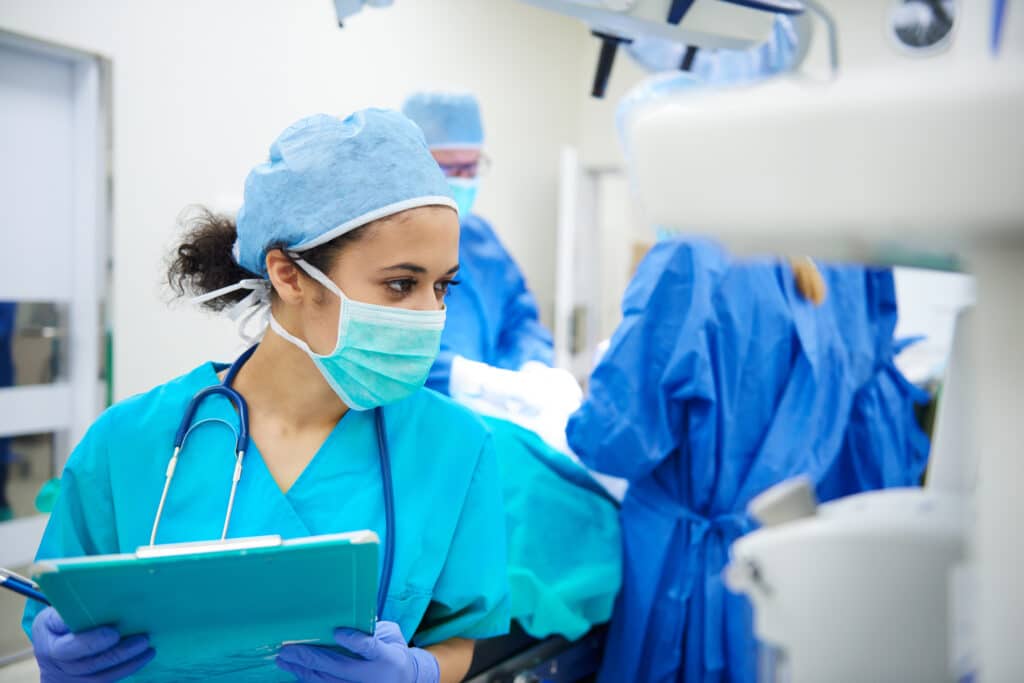
Once the surgery is complete, Surgical technologist duties continue with post-operative cleanup and preparation for the next case. The operating room must be reset quickly and safely so it can be used again.
This includes disposing of sharps such as needles and blades, collecting used instruments, and sending them for proper sterilization. The surgical technologist also removes used supplies and ensures the room is left clean and organized.
Efficient turnover is especially important in hospitals where multiple surgeries are scheduled throughout the day. Proper execution of these Surgical technologist duties helps keep surgical schedules on track and ensures that patients are treated without unnecessary delays.
Why surgical technologist duties matter so much
The overall importance of Surgical technologist duties cannot be overstated. Every task, from setting up instruments to maintaining sterility and assisting during surgery, directly impacts patient safety and surgical success.
Without surgical technologists, operating rooms would struggle to function efficiently. Surgeries would take longer, infection risks would increase, and surgeons would not have the immediate support they rely on during procedures.
These professionals act as the backbone of the surgical team, ensuring that everything runs smoothly from start to finish. Whether it is preparation, intra-operative support, or cleanup, every phase depends on the consistent execution of Surgical technologist duties.
Final thoughts
A career as a surgical technologist is both challenging and highly rewarding. It requires precision, focus, and the ability to stay calm under pressure. From preparing the operating room to supporting surgeons during complex procedures, the role is defined by responsibility and teamwork.
At every stage of care, Surgical technologist duties ensure that patients receive safe, efficient, and well-coordinated surgical treatment. For anyone considering a healthcare career that combines technical skill with meaningful impact, this role offers a strong and stable pathway into the operating room environment.
Also Read: What Does a Sterile Processing Technician Do?
About:
Preppy was founded by higher education expert Grant Aldrich, whose work on college affordability and accessibility has been featured in Forbes, Bloomberg Businessweek, Business Insider, American Express, AOL, MSN, Thrive Global, Reader’s Digest, Inside Higher Ed, Evolllution, EducationDive, and nearly 100 radio shows and podcasts.
Time is money. Instead of programs that could take 2 years, Preppy provides you with education in a few months through immersive online training.
Healthcare, IT, Business, Trades…Preppy gets you ready for the trending careers in our modern economy.
Our team of higher education and startup veterans has created the best solution so everyone can obtain the emerging careers of today and tomorrow.
We look forward to speaking with you. You may also call 800-729-1317.